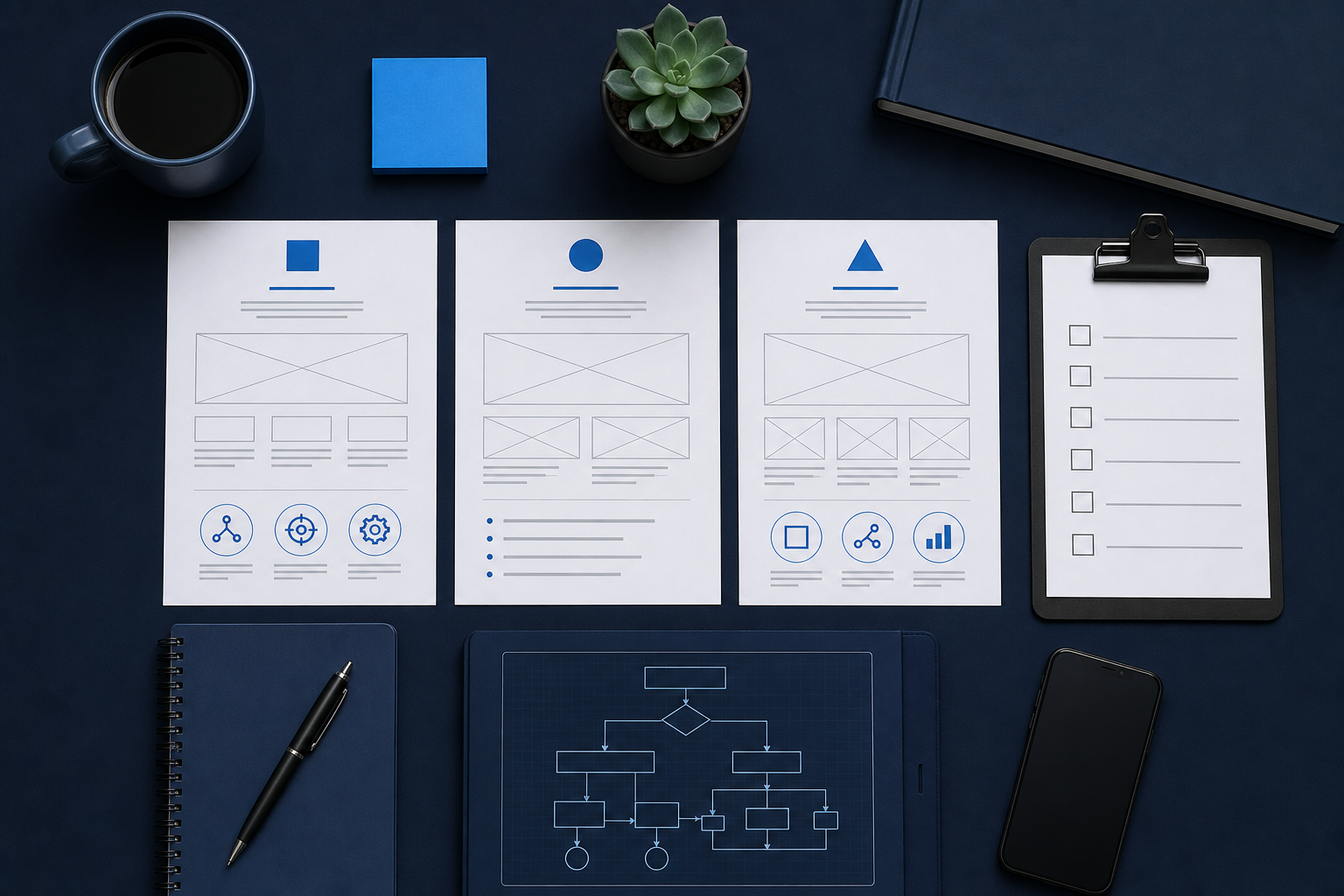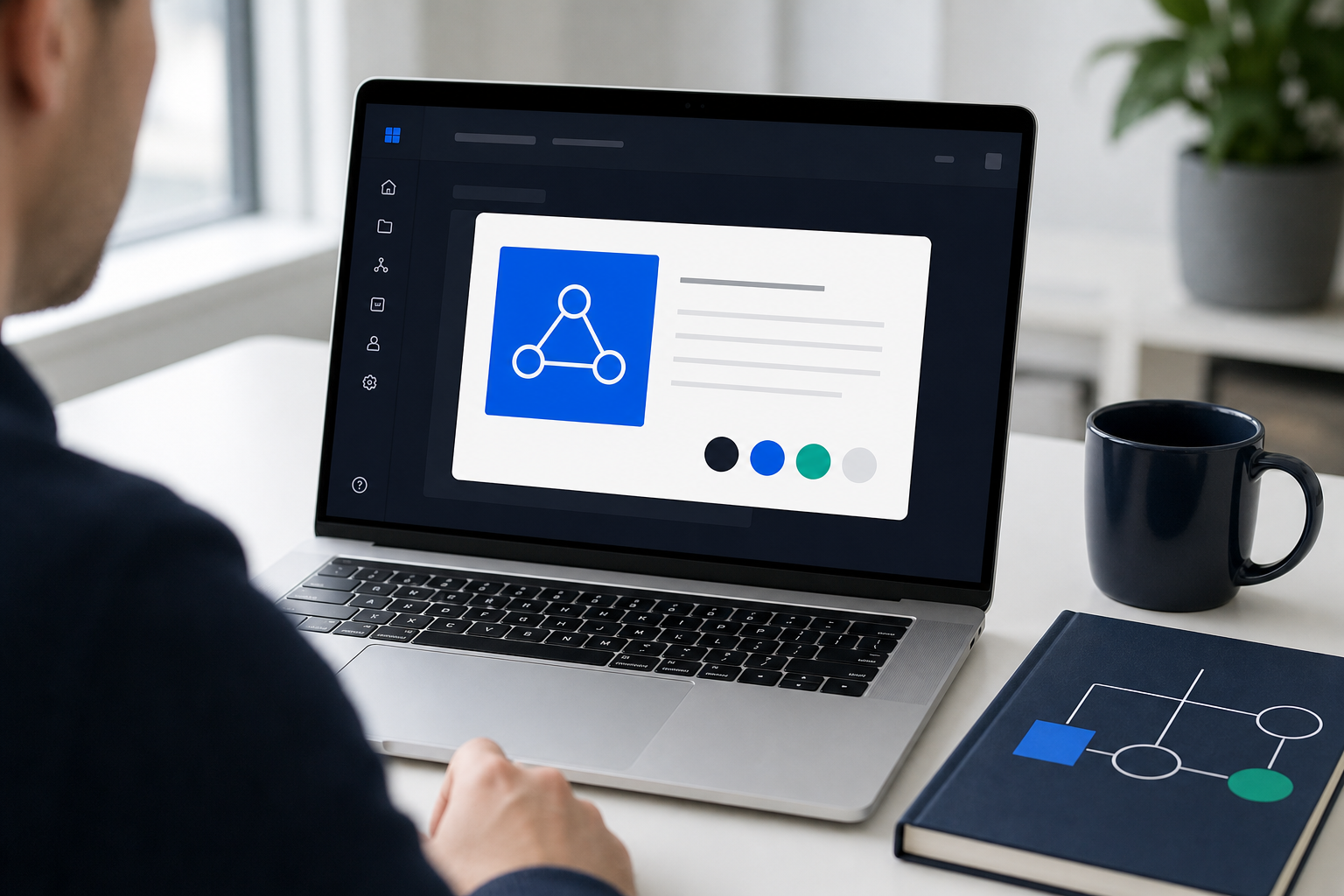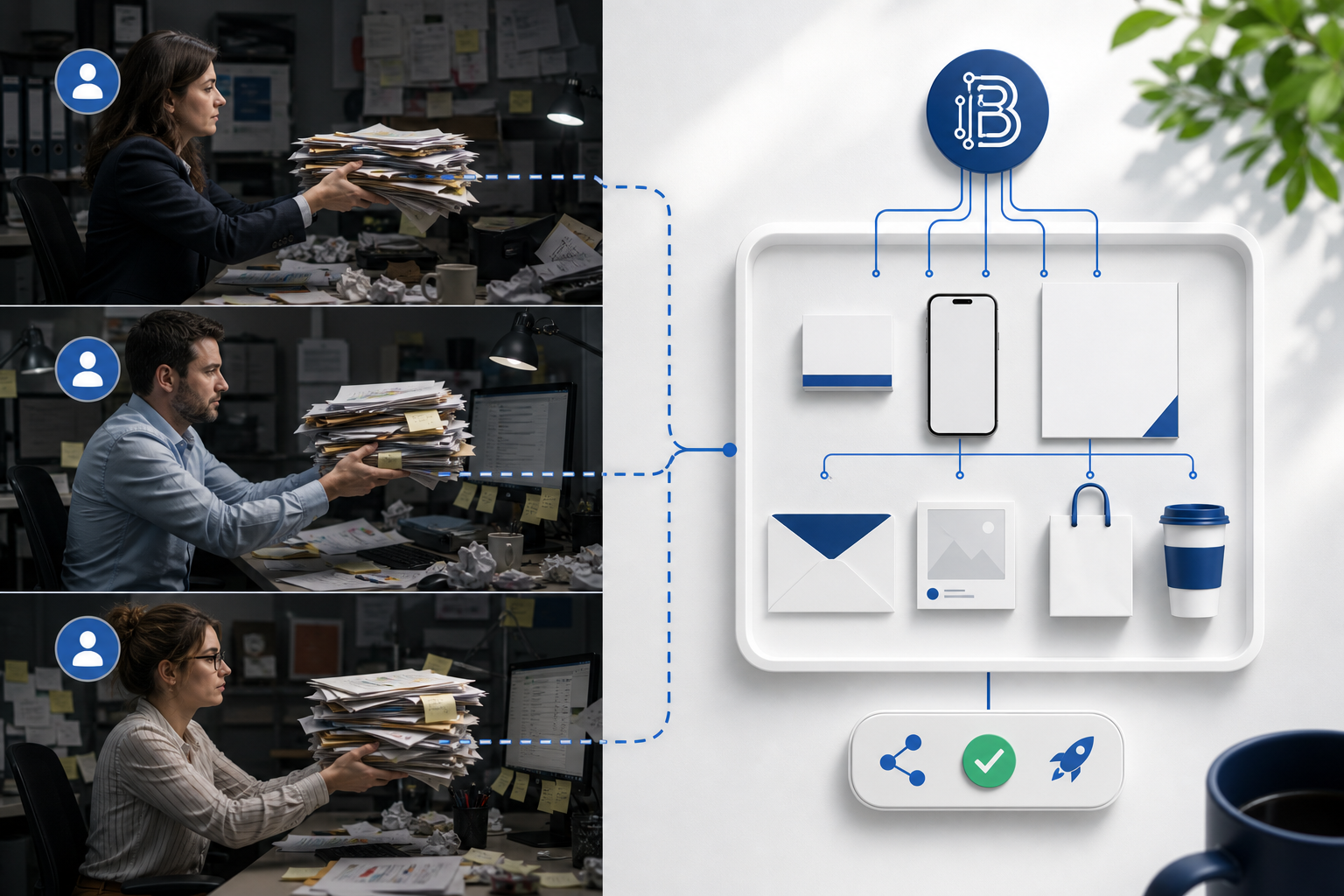
Design ops is often sold as software for tickets and versions. The more expensive problem is quieter: the handoff tax. Each time a request leaves the person who knows the brand, you pay in time, money, and drift.
A Fiverr icon at €50 looks cheap until you add the form, the two-day wait, and the revision that still is not yours. An agency wall graphic at €500 looks premium until you realise it invented a new style. A Canva board looks fast until the Co-CEO deletes the post because it would not pass without the logo.
Where the tax hides
- Translation. Founders carry the brand in their heads. Operators receive a PDF. The gap is the work.
- Tool-switching. Social in one place, print in another, product shots in a third. Three tastes, one company.
- Review as a job. If leadership must check every asset, you do not have a system. You have a queue with anxiety.
Agencies feel a multiplied version. Each client identity has to stay in its own lane. A talented designer can do that; a bench of freelancers will not, unless the identity is on file and enforced.
Make the brand executable
The ops move is not “more guidelines.” It is turning the identity into something a non-designer can run.
- One brand profile that the tools actually read, not a slide no one opens.
- Plain-language jobs. “Beach flag for the Keszthely shop, apricot season” is a brief. Hex codes in Slack are not.
- Format-agnostic output. The same memory should cover a story, a poster, and a product frame.
- A success definition. First output usable most of the time. If that is not true, the profile is incomplete.
Product note: memory before modes
Generation modes (precise, fast, visual) are only useful after the identity is stable. Speed on a wrong brand is just faster drift. Brandiseer’s bet is that the profile is the product, and the model is the printer.
That is why this journal treats design ops as a brand-memory problem, not a template-governance problem. Templates scale layouts. Memory scales recognition.
If your team still pays the handoff tax on every Monday asset, the next hire is not another pair of hands. It is a file the hands can trust.