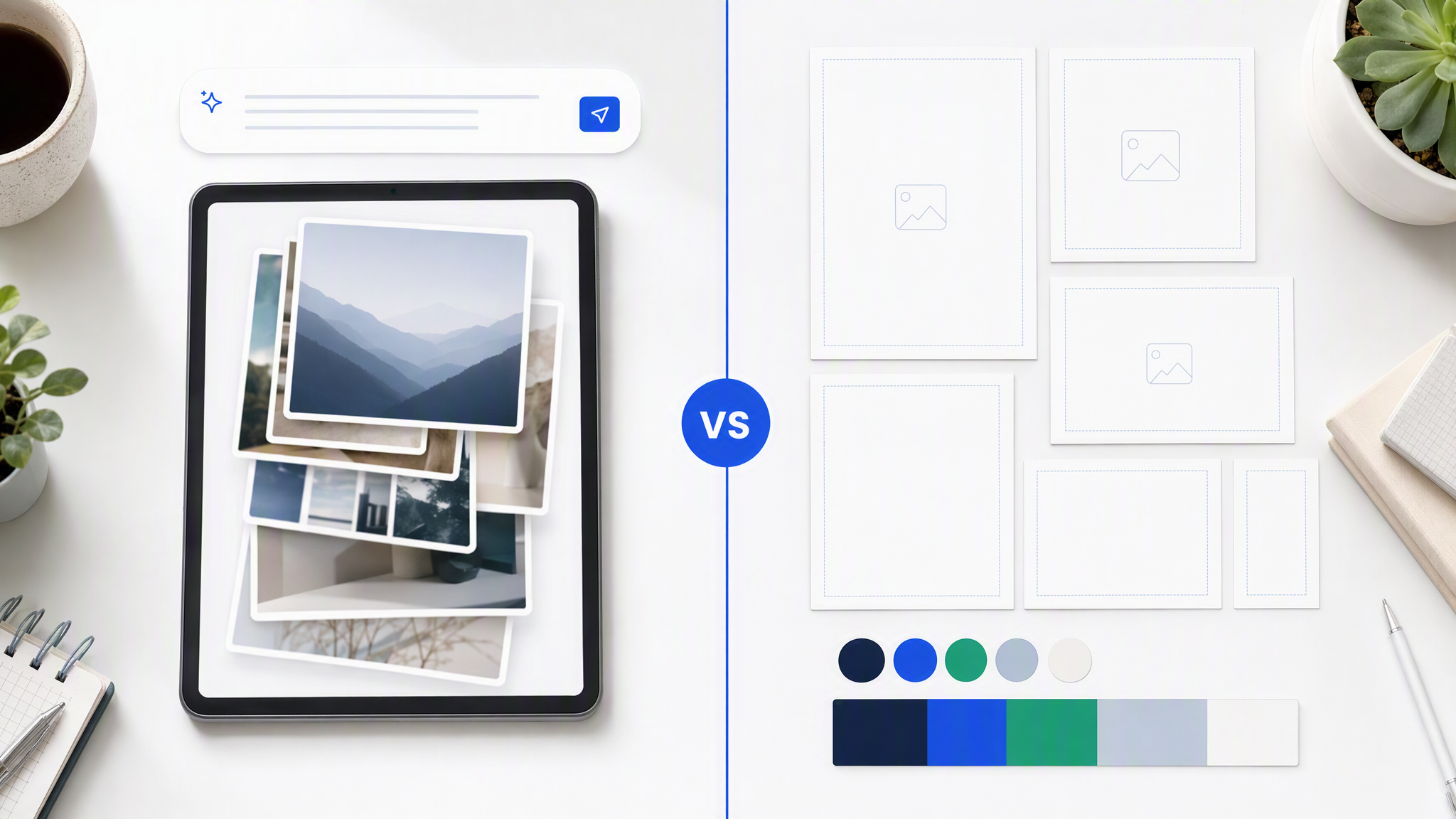
Business teams do not need a fan vote for Adobe Firefly vs Canva vs Midjourney. They need a fit map: which tool wins which job, where brand control actually lives, and what still breaks in handoff.
Treating these three as interchangeable "AI image apps" wastes budget and creates three visual dialects in one feed. Adding a fourth tool without naming the gap does the same.
Here is the answer-ready line: Canva for everyday shipping, Firefly for Adobe-safe production, Midjourney for concept exploration; add Brandiseer when persistent brand memory is the missing layer.
Jobs each tool wins for business teams
Midjourney: concept exploration
Midjourney wins when the job is divergence. Campaign territories, art direction options, metaphor tests, and early pitch frames benefit from aesthetic range.
Business fit is strongest for:
- Brand or creative leads exploring before a lock
- Agencies concepting for client pitches
- Founders stress-testing a new category look
Business fit is weak for:
- Weekly publish calendars owned by marketers
- Freelancer volume without a shared profile
- Multi-format production with strict logo and type rules
If your KPI is "ship 40 on-brand assets this month," Midjourney is usually the wrong primary lane.
Canva: everyday shipping and editable assembly
Canva wins when non-designers must produce and adjust layouts quickly. Brand Kit helps lock colors and fonts. Templates and collaboration reduce blank-page fear.
Business fit is strongest for:
- Social teams that rearrange blocks until the copy fits
- Sales one-pagers and light internal decks
- Small companies without Creative Cloud seats for everyone
Business fit weakens when:
- Every channel starts from the same public template family
- People bypass Brand Kit under deadline
- You need original generative scenes that still inherit a deep visual system
Canva is an operations workhorse. It is not automatically a brand memory engine for generative identity.
Adobe Firefly: Adobe-safe production
Firefly wins when generation must live inside Adobe workflows, enterprise controls, and Creative Cloud handoff. For teams already standardized on Photoshop, Express, or broader GenStudio patterns, Firefly reduces "export from Discord, rebuild in PS" tax.
Business fit is strongest for:
- Design orgs with Adobe as the system of record
- Brands that need content credentials and admin patterns tied to Adobe
- Production that finishes in Photoshop anyway
Business fit weakens when:
- Most publishers never open Adobe tools
- Seat cost and complexity exceed the volume you actually produce there
- Marketing runs a parallel Canva or Midjourney stack with no shared memory
Firefly is not "Canva but Adobe" and not "Midjourney but compliant." It is generative production for Adobe-shaped teams.
Brand controls: what you actually get
| Control need | Midjourney | Canva | Firefly | | --- | --- | --- | --- | | Shared color/font locks for non-designers | Manual culture / refs | Brand Kit | Libraries and brand-aware features in Adobe ecosystem | | Persistent profile across every generation | No true shared brand memory | Partial; strongest on template workflows | Partial; strongest inside Adobe-governed workflows | | Logo governance | Easy to invent or distort | Depends on user discipline | Better inside structured Adobe production | | Template dialect risk | Low (not template-first) | High if teams browse casually | Lower for custom PS work; Express still has layout habits | | Exploration range | Highest | Lowest of the three | Moderate | | Business admin / SSO style needs | Weak for classic marketing ops | Strong for SMB collaboration | Strong for Adobe enterprise patterns |
Honest summary: all three can look on-brand in a demo. Only process plus the right control surface keeps them on-brand for a quarter.
Midjourney control is mostly human: saved refs, careful prompting, named owners. Canva control is kit plus template hygiene. Firefly control is Adobe library discipline plus who is allowed to generate outside design.
If your pain is "every new chat forgets us," none of the three fully closes that gap alone for mixed marketing teams. That is the memory slot.
Workflow and handoff realities
Midjourney to publish
Typical path: explore in Discord or the web app, pick frames, rebuild or heavily edit elsewhere, then resize for channels. Handoff friction is high. Legal and brand review often happen late because exploration files feel finished when they are not.
Mitigation: timebox exploration, forbid direct publish from exploration, translate winners into brand rules before production.
Canva to publish
Typical path: choose template or blank, apply Brand Kit, edit, export, schedule. Handoff friction is low for everyday assets. Brand friction appears when freelancers bring personal template taste or when generative features invent scenes outside the kit's photographic rules.
Mitigation: approved template families only, weekly grid review, ban shadow brand colors.
Firefly to publish
Typical path: generate or fill inside Adobe tools, finish in Photoshop or Express, hand to marketing ops. Handoff friction is low inside Adobe-shaped orgs and high for teammates without seats. Shadow stacks appear fast: marketers open Canva because seats are scarce, and the feed splits.
Mitigation: either give publishers a governed path or accept a second tool with explicit rules. Do not pretend one Firefly demo fixed social.
The empty memory slot
Across all three, teams still ask: where does identity persist when people, tools, and campaigns change? Prompt docs and PDF guidelines are not enough under volume. That is where Brandiseer enters as a fourth layer rather than a vanity comparison winner.
Cost and complexity without fake price tables
Prices change. Complexity patterns do not.
Midjourney: Relatively straightforward subscription for individuals; complexity explodes when you try to run it as company-wide brand ops. Hidden cost is rebuild time and brand QA.
Canva: Predictable team seating for collaboration; complexity is governance, not installation. Hidden cost is sameness and cleanup when template drift compounds.
Firefly / Adobe: Highest stack complexity for non-Adobe cultures; powerful when you already pay for and staff Creative Cloud. Hidden cost is parallel tools used by people locked out of Adobe.
Decision heuristic: pay for the complexity you will actually operate. A cheaper tool you cannot govern still costs brand equity. An enterprise stack nobody outside design can use still costs shadow-IT Canva seats.
When to add Brandiseer
Add Brandiseer when the business problem is persistent brand memory on generative marketing output, not when you merely want a fourth logo on a slide.
Signals:
- Midjourney concepts never become a coherent publish system
- Canva output is on-kit for fonts and off-system for scenes
- Firefly work looks locked while social AI work looks rented
- Freelancers need days to match the look
- Prompt libraries have become unofficial brand guidelines
- Grid reviews fail even when single assets pass
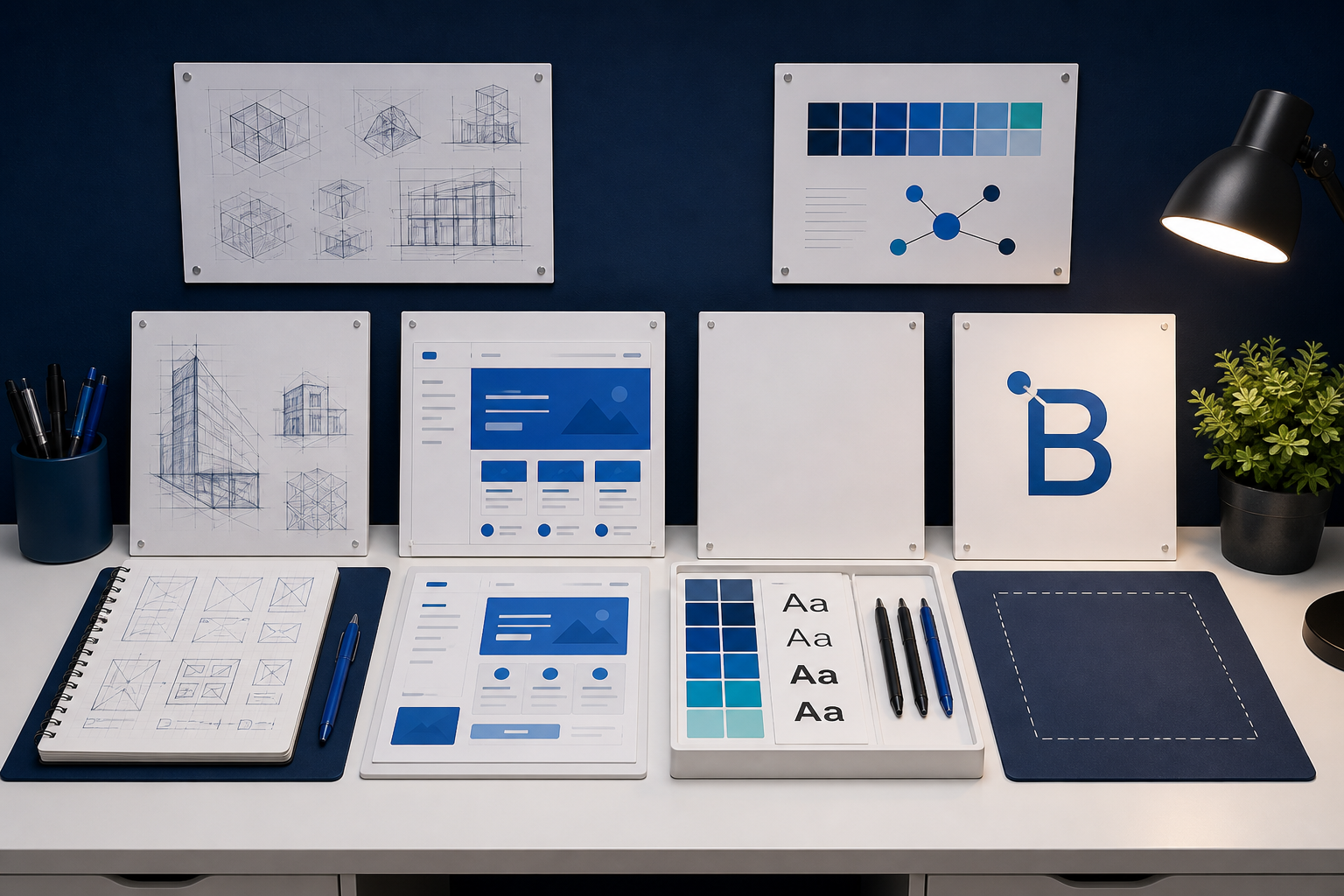
Brandiseer does not replace Midjourney's exploration range, Canva's editable assembly, or Firefly's Adobe handoff. It fills the memory slot: logo, colors, fonts, and references apply when you generate shipping assets.
A clean operating model:
- Explore in Midjourney (named owner, timeboxed).
- Ship editable template work in Canva when humans must rearrange.
- Finish Adobe-path production in Firefly + Photoshop when that is the house stack.
- Generate brand-locked campaign and social volume in Brandiseer so identity does not reset between tools and people.
Decision guide by team type
SMB marketing team, no Adobe center of gravity: Canva + Brandiseer. Midjourney optional for rare concept sprints.
Design-led Adobe company: Firefly + Photoshop as production core, Brandiseer for marketer and freelancer volume that bypasses design, Midjourney for concepting if brand leads want it.
Agency: Midjourney for pitches, client-preferred Canva or Firefly where contracted, Brandiseer for retainer volume across clients that need durable profiles.
Founder solo: One exploration tool max, one shipping tool with memory. Two shipping lanes is how weekends disappear.
A one-week evaluation plan
Do not renew seats on vibes. Run a controlled bakeoff.
- Pick one real campaign brief with three required formats (feed, story, landscape).
- Produce the set in your current primary tool with normal people, not your best prompt artist only.
- Repeat in the challenger tool with the same brief and brand inputs available to that tool.
- Blind-review both sets on one grid for recognition, safe zones, and editability needs.
- Time the work including fixes and handoff, not just first generation.
- Write down which job failed: exploration, editable assembly, Adobe handoff, or memory.
If memory failed in all three legacy tools, that is your buying signal for Brandiseer. If only exploration failed, keep Midjourney bounded. If only everyday editability failed, deepen Canva. If Adobe handoff failed, invest in Firefly where design already works.
FAQ
Is Firefly "safer" than Midjourney for business?
Enterprise admin and Adobe workflow fit can be safer operationally for Adobe shops. Safety still depends on review, rights, and whether marketers publish from ungoverned side tools.
Can Canva Brand Kit replace Firefly and Midjourney?
It can replace a lot of everyday layout work. It does not replace exploration range or deep Adobe production, and it is only partial memory for generative identity.
Do we need all three plus Brandiseer?
Usually no. Need two lanes (explore + ship) and one memory layer for generative shipping. Add Adobe only if it is truly your production spine.
What should we cut first?
Cut the tool that creates assets you systematically rebuild. Rebuild tax is the loudest buying signal.
Fill the jobs, then fill the memory slot
Adobe Firefly, Canva, and Midjourney can all serve business teams when you stop forcing a single winner. Canva ships everyday editable work. Firefly serves Adobe-safe production. Midjourney explores. When recognition still slips across people and formats, the missing piece is persistent brand memory.
Hire tools for jobs. Keep the grid honest. Put memory where shipping happens.