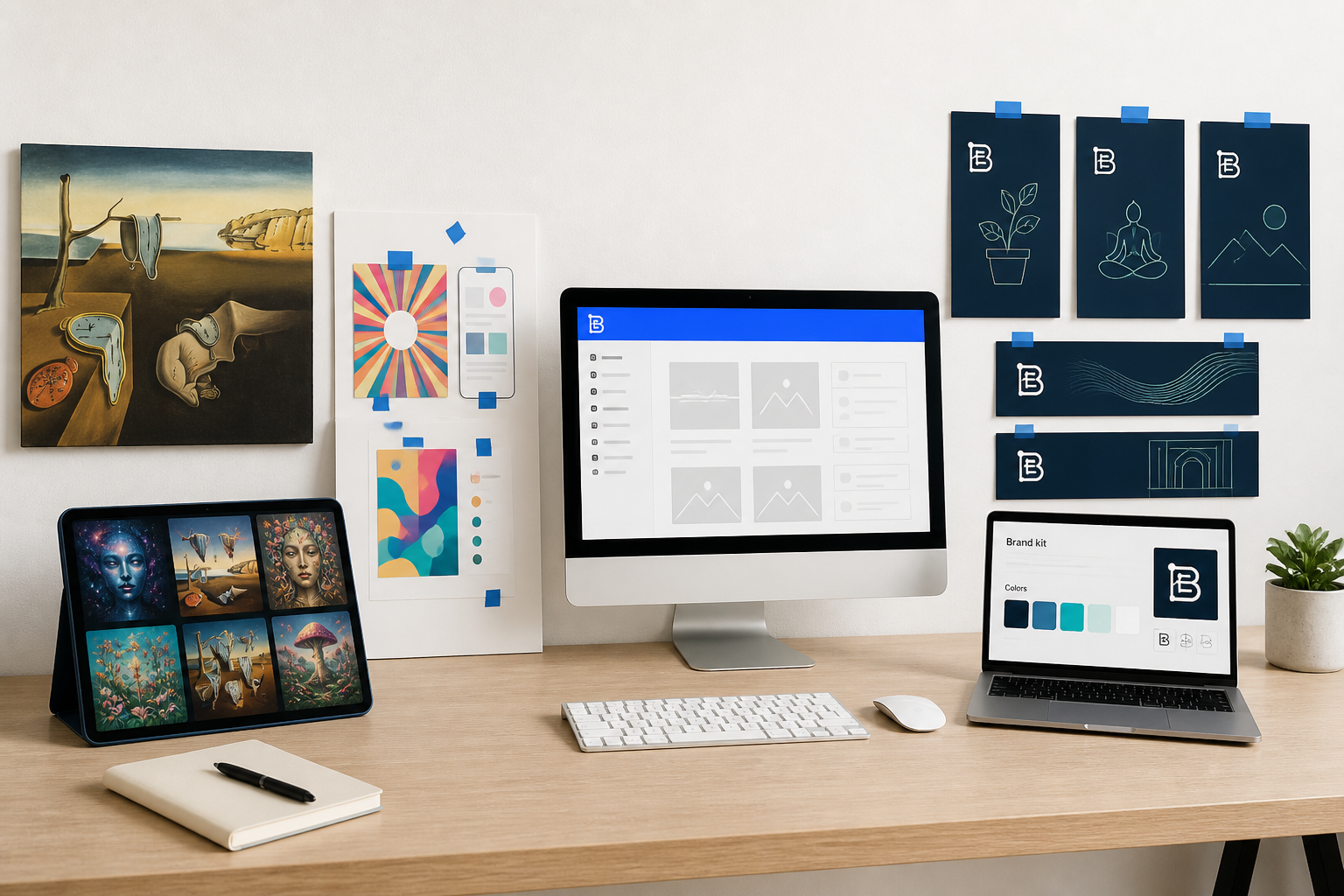
You already know the feeling. The LinkedIn carousel looks sharp. The ad mockup wins a Slack reaction. The product shot could hang in a gallery. Then you put them next to last week's posts and the brand falls apart.
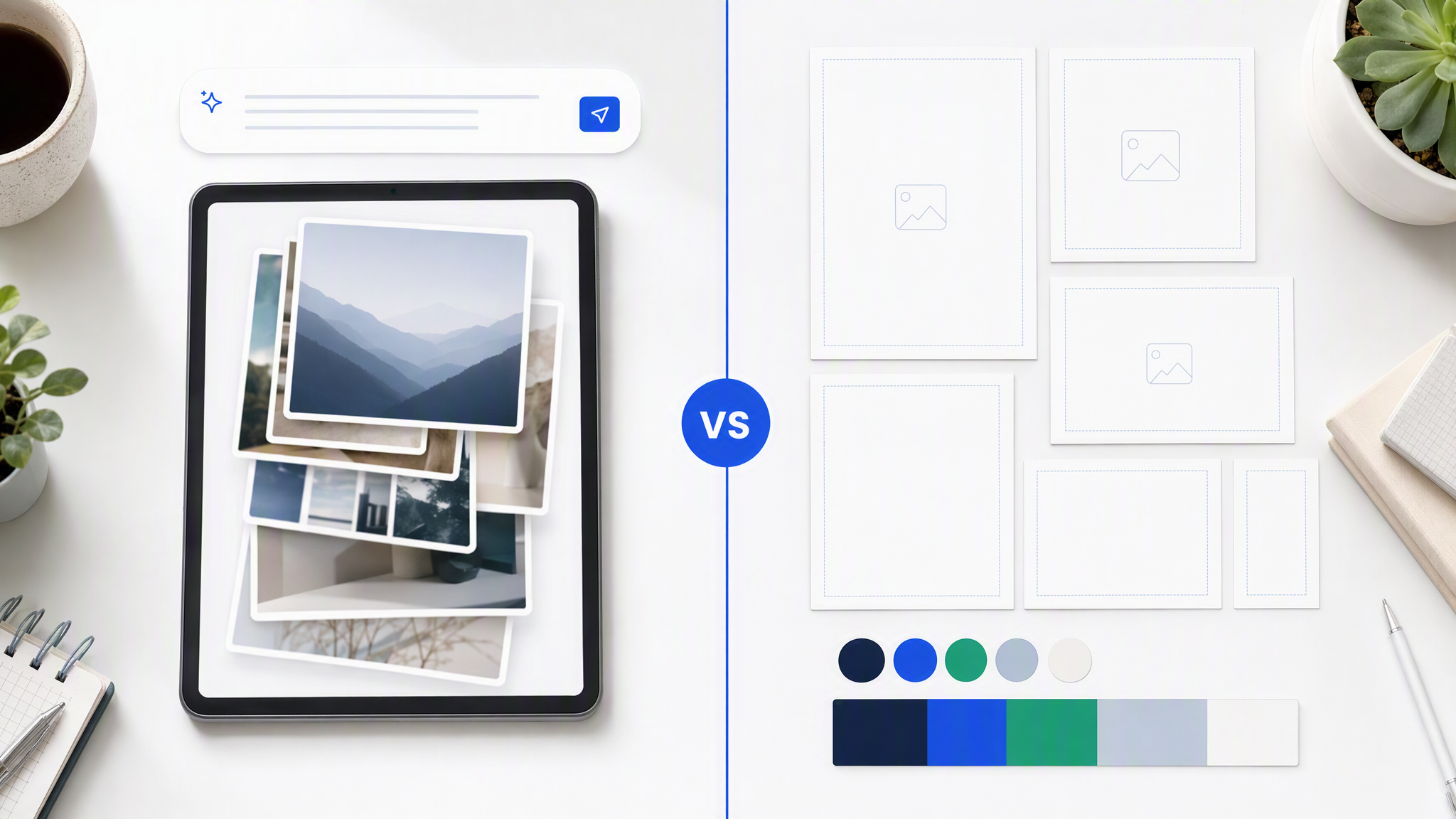
Pretty AI is not the same as usable brand assets. Midjourney and DALL·E win at art. Canva wins at templates. Brandiseer wins at persistent brand memory for business output. That split is the whole decision for founders and marketers choosing tools after off-brand experiments or template fatigue.
The problem: beautiful, off-brand assets
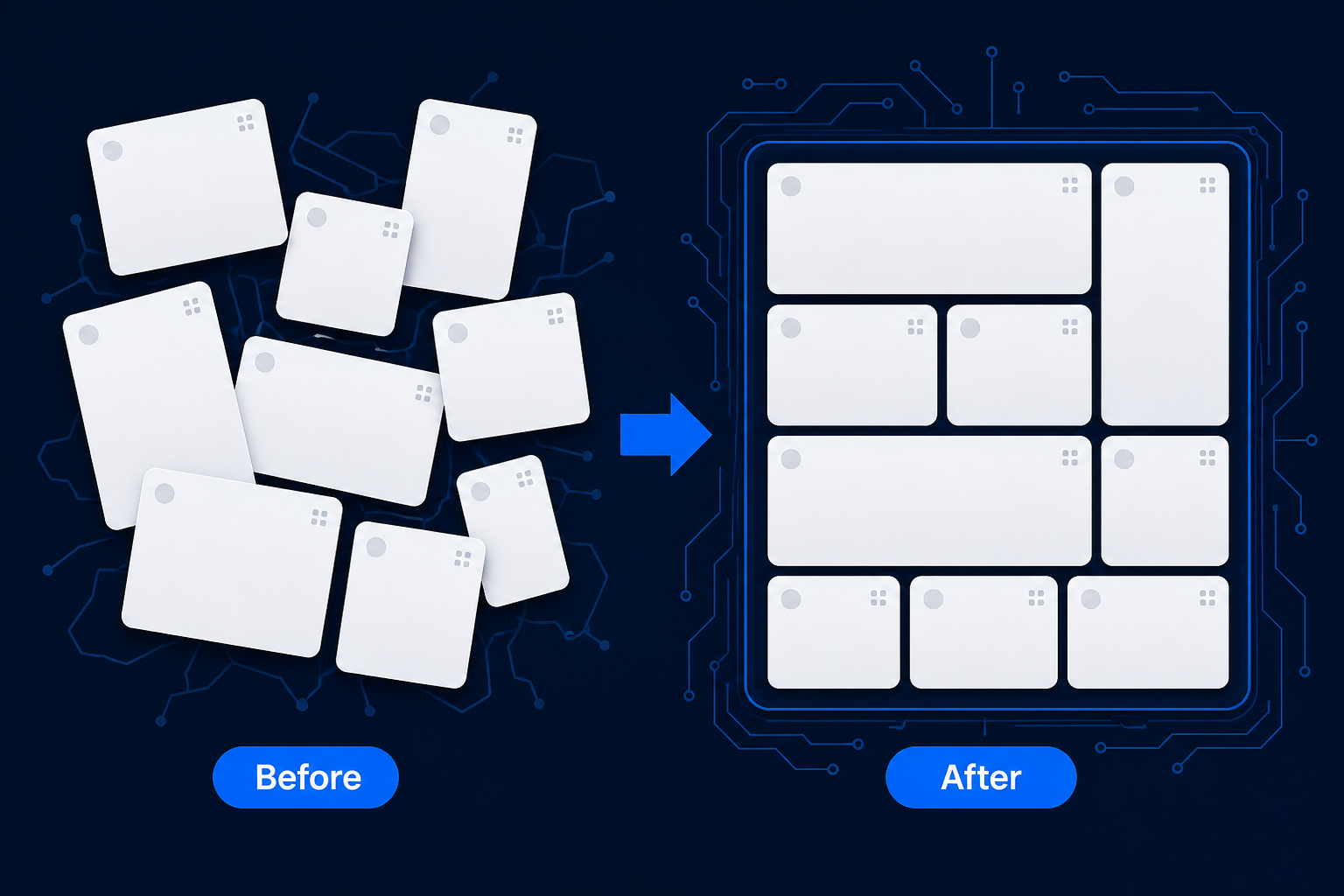
Marketing teams did not fail because the images were ugly. They failed because each generation reinvented the look.
One prompt leans cool and minimal. The next goes warm and loud. Fonts drift. Logo placement wanders. Color ratios wobble. Individually, every file looks fine. Together, they read like three different companies sharing a domain.
Call that cumulative drift. One off-brand asset is noise. A month of them trains your audience to stop recognizing you. Recognition is not a soft brand metric here. It is how people know the next post belongs to you before they read a word.
Founders notice it after a burst of AI experiments: a folder full of impressive one-offs and no repeatable system. Marketers notice it after template fatigue: endless Canva swaps that still look like Canva with your hex codes pasted on. Agencies notice it when client feedback shifts from "make it nicer" to "make it look like us." All three paths end in the same place. You have volume. You do not have a visual system that holds under shipping pressure.
The question is not which tool makes the prettiest single image. The question is which tool keeps identity intact when you need ten assets by Friday.
Three jobs: art, templates, brand-locked generation
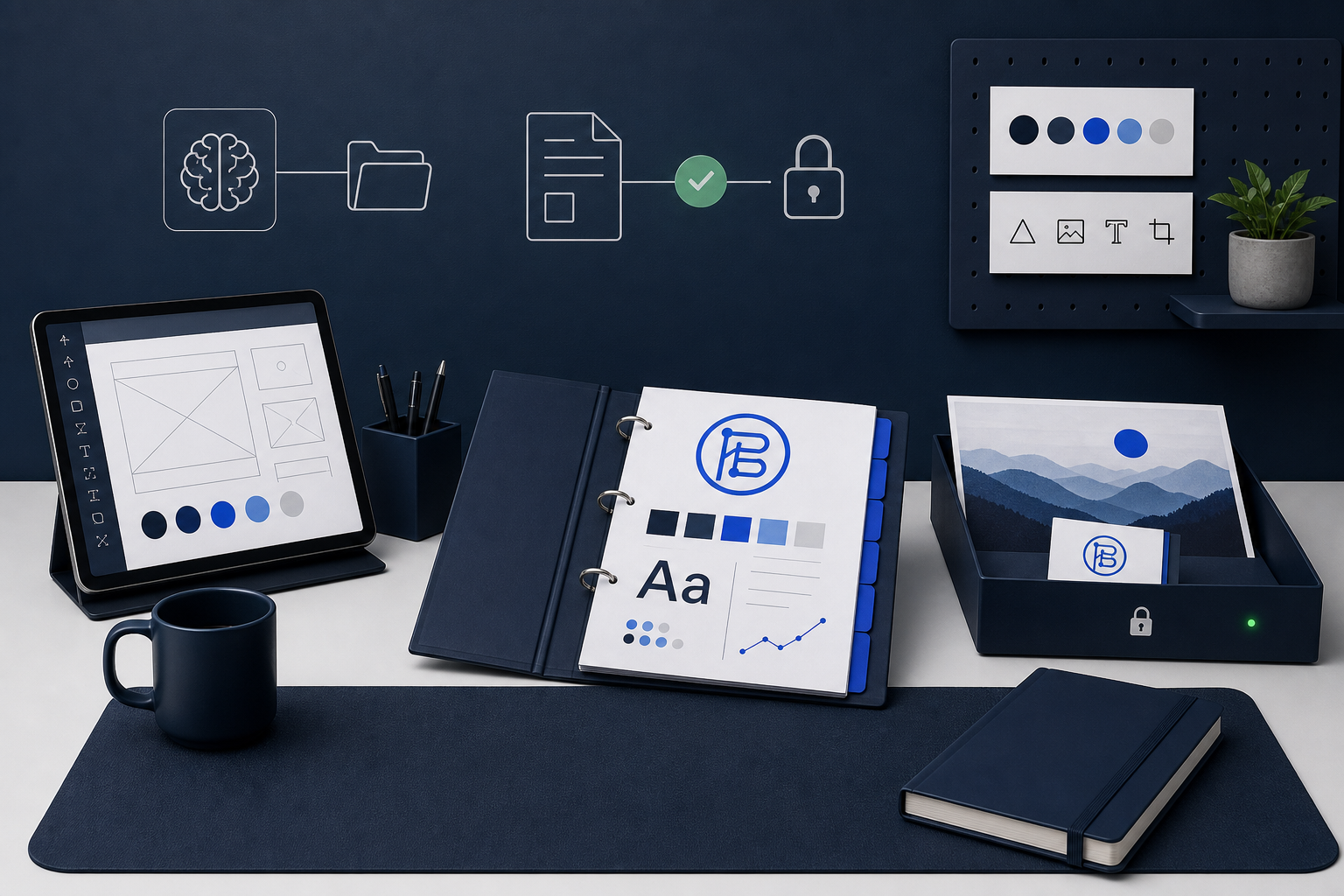
These tools are often compared as if they compete for the same job. They do not. Treat them as three different roles with different failure modes.
| Job | What you need | Typical tool |
|---|---|---|
| Art and exploration | Surprising, high-aesthetic images with no brand lock | Midjourney, DALL·E |
| Template assembly | Fast layouts you edit by hand from a library | Canva |
| Brand-locked generation | Original assets that inherit identity every time | Brandiseer |
If you hire the wrong tool for the job, you get impressive demos and brittle campaigns. Art tools make you chase consistency with longer prompts. Template tools make you chase originality by fighting the layout. Brand-locked generation starts from identity, then produces the asset.
The short version of the difference: Brandiseer stores brand identity and applies it every generation; Midjourney/DALL·E re-prompt style each time; Canva starts from templates you brand by hand.
Keep that sentence nearby when someone asks which platform is "better." Better for what? Art, assembly, or brand memory? Answer that first and the tool choice gets quieter.
Midjourney and DALL·E: strong art, no persistent brand
Midjourney and DALL·E are excellent at producing striking images. For moodboards, concept frames, and standalone illustration, that strength is real. For marketing ops, the same strength becomes the bottleneck.
Neither tool keeps a durable brand profile that automatically governs the next request. You describe colors, type mood, logo behavior, and composition rules again, or you paste a style reference and hope it sticks. Midjourney style references and carefully saved prompt blocks help. They are still manual. Someone on the team has to remember which seed, which style reference, which adjective stack produced "the good one." When that person is out, the look leaves with them.
That works for a designer exploring. It breaks for a founder shipping twelve assets before a launch, or a marketer rotating weekly social without a design lead sitting in Discord. Prompt craft becomes an unpaid second job. Quality depends on who typed the request, not on a shared brand system.
Format awareness is another gap. General image generators produce pictures. They do not natively think in Instagram carousel, paid social unit, or banner constraint the way a business production workflow needs. You can crop later. Cropping does not restore brand memory that was never stored. You still end up with a beautiful image that needs a second tool to become a channel-ready asset, and a third pass to look like the rest of the campaign.
For a capability-level breakdown against Midjourney specifically, see Brandiseer vs Midjourney. The pattern against DALL·E is the same: re-prompt style each time, or accept drift. No invented win rates required. The operational difference is whether identity persists without you.
Canva: Brand Kit helps, templates still lead
Canva solved a different problem and solved it well. Non-designers needed a place to assemble layouts without opening Illustrator. Templates, drag-and-drop editing, and Brand Kit together made that practical for teams that would otherwise stall.
Brand Kit is useful. You can lock colors and fonts so teammates stop inventing neon pink. That still leaves the starting point as someone else's template. You browse, pick a layout that is "close enough," swap elements, nudge spacing, and hope the result does not scream template once it sits in a feed full of the same structure. Familiarity becomes a liability when five competitors used the same family last month.
Manual apply is the second tax. Even with Brand Kit loaded, consistency depends on people remembering to use it, choosing the right template family, and resisting the tempting off-brand stock photo. High volume multiplies small misses. The feed becomes a collage of almost-branded layouts: same logo, different visual dialect.
Canva remains strong when you need pixel-level manual control or a one-off that benefits from browsing. It is weaker when your bottleneck is producing original, on-brand work at speed without hunting layouts. Speed in Canva often means template selection plus customization. That is minutes, not seconds, and the minutes stack across a campaign calendar.
For that comparison in detail, read Brandiseer vs Canva. Template power and brand-locked generation are not the same product wearing different logos.
Brandiseer: upload once, every generation inherits
Brandiseer is built around persistent brand memory, not around a prompt lottery or a template shelf.
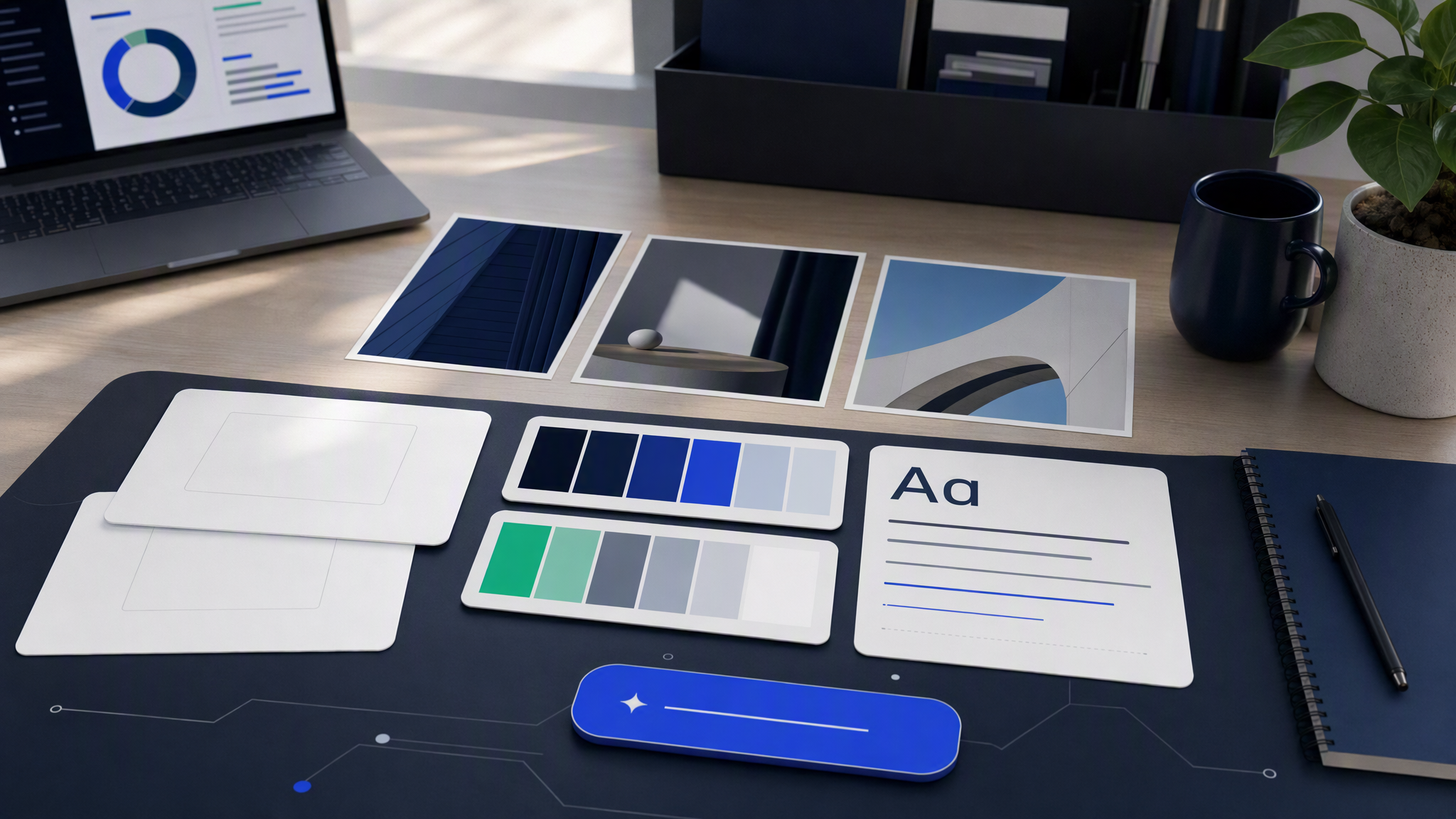
You upload logo, colors, fonts, and existing assets once. Brandiseer stores that identity and applies it on every generation. Describe the job in plain language: summer sale Instagram post, product launch banner, LinkedIn cover for a webinar. The output is generated to match the brand you already defined, not a generic aesthetic you hope to steer with adjectives.
That is the operational difference for business teams. You are not reconstructing style guidelines in the prompt. You are not browsing for a layout that almost fits. You are requesting the asset and inheriting the system. New teammates do not need a secret prompt doc to stay close. The brand profile is the shared source.
Format-specific production matters here too. Marketing work lives in channels with fixed shapes and jobs to be done. Brand-locked generation that understands those jobs reduces the gap between "nice image" and "shippable asset." You still review. You still iterate. You stop paying the reset cost every time you open a blank generation box.
None of this means Brandiseer replaces every creative tool in the stack. It means the production lane for on-brand marketing output finally has a home that does not reset identity between clicks. Pricing for trying that workflow is on the pricing page, including a free tier with credits so you can evaluate fit before committing. Commercial rights on generated visuals are included across plans. Judge the tool on whether the next ten assets look like one brand, not on a single demo shot.
Decision guide: who should pick what
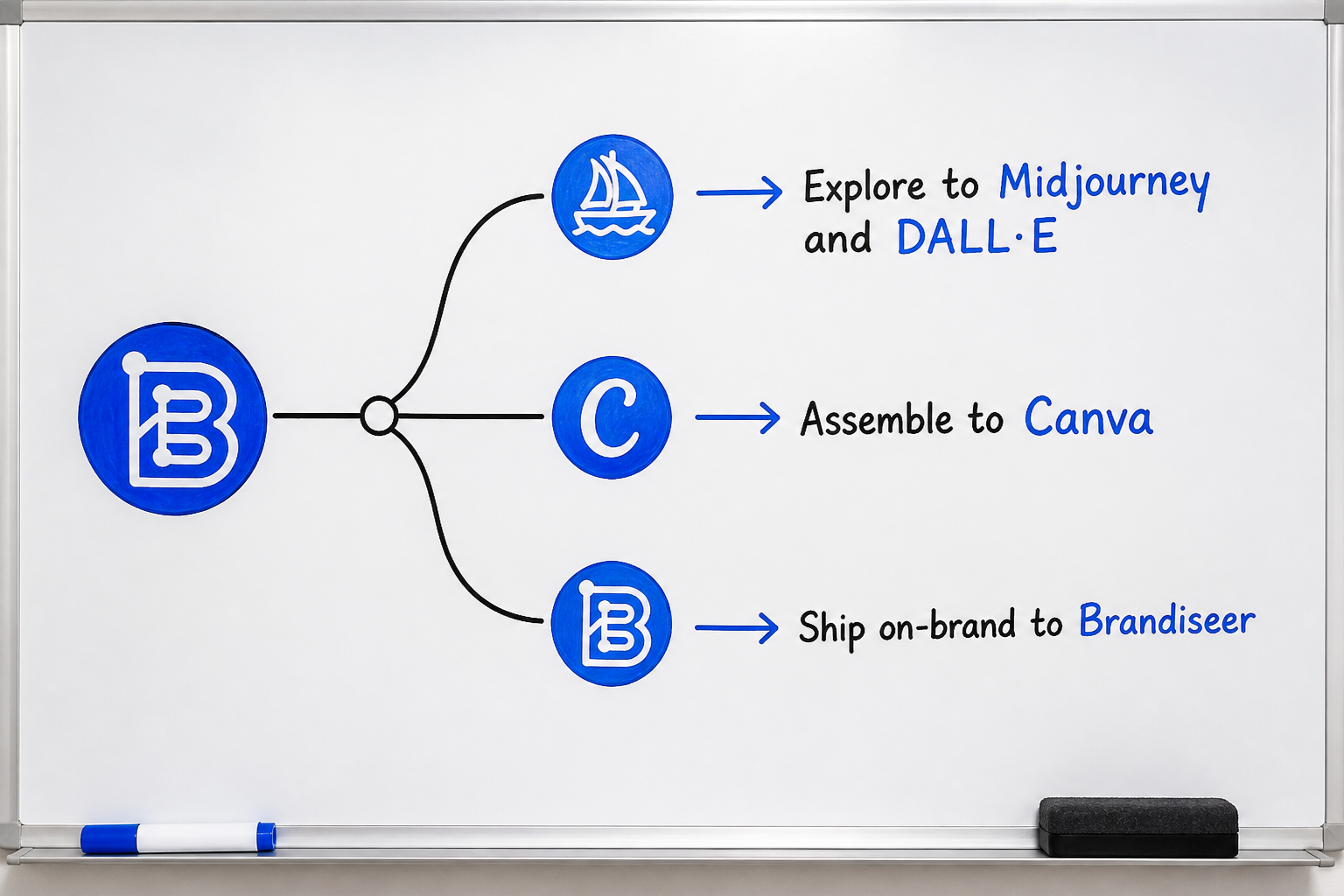
Explore · Assemble · Ship on-brand
Be honest about the job in front of you. Tool loyalty is expensive. Job clarity is cheap.
Pick Midjourney or DALL·E when you need exploration, concept art, or high-ceiling imagery and brand lock is secondary. Moodboards, campaign inspiration, and speculative visuals belong here. Midjourney for exploration is a good call. Forcing it to be your weekly social production system is usually not. If the brief still says "surprise me," stay in the art lane.
Pick Canva when you need fine-grained manual editing, collaborative drag-and-drop, or a template-first workflow for one-offs. If a teammate must move every element by hand, or the deliverable is a dense one-pager with unusual structure, Canva still earns its seat.
Pick Brandiseer when you need original marketing assets that stay on-brand across channels without re-teaching the system each time. Founders and marketers who already felt cumulative drift are the clearest fit. Persistent memory is the product, not a prompt tip. If the next asset must match the last five, that is the signal.
If your week mixes all three jobs, you do not need a loyalty oath to one logo. You need a clear lane for each and a rule for when work moves between them.
Using both: explore elsewhere, ship in Brandiseer
Many teams land on a hybrid that matches how creative work actually happens.
Use Midjourney or DALL·E early, when the brief is still open and you want range. Pull references. Argue about mood. Kill weak directions fast. That exploration is valuable precisely because it is not locked to brand memory yet.
Move into Brandiseer when the direction is chosen and the work becomes production: the carousel set, the ad variants, the launch kit that must look like one brand across ten files. That is where stored identity pays for itself. Exploration can be messy. Shipping should not be.
Canva can still sit beside Brandiseer for rare layouts that need heavy manual surgery. The point is not to delete tools. The point is to stop asking an art generator or a template library to pretend they are brand memory.
A practical rule: if the next asset must match the last five, generate it where identity persists. If the next asset is meant to surprise you, explore where surprise is the feature. Write that rule into the team wiki once and you will spend fewer meetings debating tools after every campaign.
FAQ
Do Midjourney style references fix brand consistency?
They help a skilled operator steer a single session. They are not persistent brand memory applied automatically across every future generation and teammate. Manual reference is still manual, and it does not travel cleanly when the account, prompt library, or person changes.
Is Canva Brand Kit the same as brand-locked generation?
No. Brand Kit constrains colors and fonts inside a template workflow. Brand-locked generation starts from your stored identity and creates original assets without browsing a template first. Both can coexist. They solve different steps.
Can we keep Midjourney for concepts and Brandiseer for output?
Yes. That split is common and sensible. Explore for range. Ship where brand identity is stored and applied every time. Treat the handoff as intentional, not as a failure of either tool.
Try Brandiseer on your real brand
If pretty AI already filled your drive with assets that do not recognize each other, stop optimizing prompts and start locking identity.
Upload your brand once. Generate the next campaign set inside that memory. Compare the feed, not the isolated hero. Look at five assets side by side. That is the test that matters for marketing teams.
Try Brandiseer. Free credits, no credit card required. Then decide with your own assets whether brand memory belongs in the production lane.