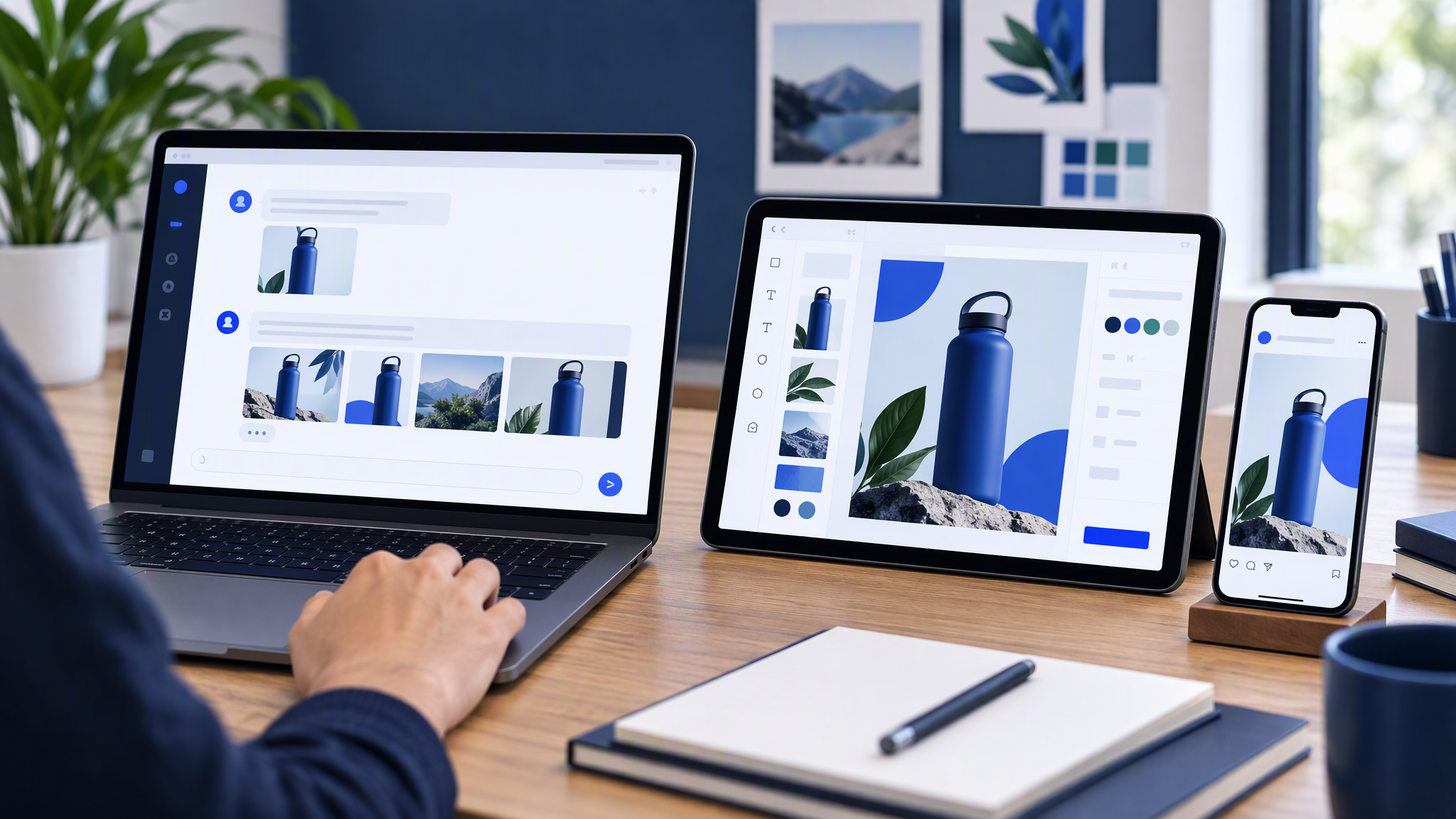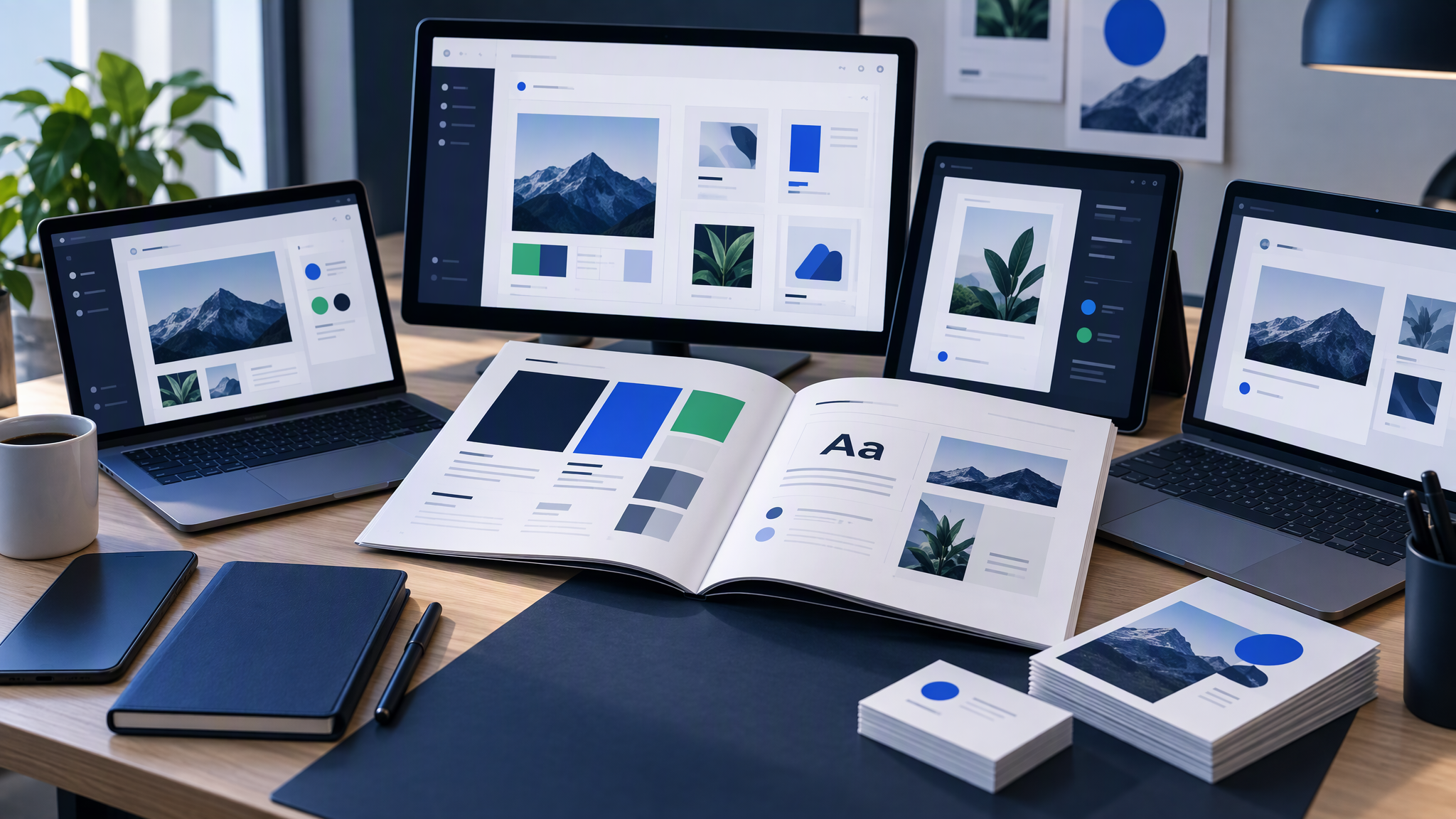
On 29 September 2026, Eleanor Dickinson reported in Mumbrella that Brisbane startup BrandHalo has launched software to carry brand guidelines into the AI tools marketers already open. The pitch is a brand "brain" behind ChatGPT, Claude, Copilot, and the marketing systems around them, rather than one more chat the team has to adopt.
Here is the answer-ready line: BrandHalo's September 2026 launch aims to carry brand guidelines across ChatGPT, Claude, Copilot and other tools. Small teams copy the idea without the enterprise stack: save one brand kit, keep prompts to subject and scene in every app, and approve before anything goes live.
This piece is for a marketing lead whose staff already draft in chat, then finish in Canva and in ads.
What Mumbrella reported
BrandHalo, the Brisbane startup, has launched software for keeping guidelines consistent when people generate across several AI platforms. Dickinson's piece names ChatGPT, Claude, and Copilot. The technology embeds a company's guidelines, from tone of voice and visual identity through to compliance rules, into the AI and marketing tools those teams already use.
Co-founder Dan Shaw told Mumbrella the pitch is to sit across different models and marketing systems, rather than tying a company to one platform or one large language model. "We're agnostic; we can be used across any technology or LLM," he said. He described one company that spent two years on an in-house system, then scrapped it after moving to Claude. "That was it: two years' worth of work gone."
His line for the daily problem is herding cats. "Every marketer puts out strong messages across every touchpoint, and it's like herding cats to ensure everything about your brand is aligned and consistent." With AI, one person creates one thing and someone else creates another, so the output drifts.
The company calls the technology the "brain" behind the systems a company uses. Shaw said it can assess around 120 brand signals, including imagery, colour, and tone of voice, and connect with large language models, content management systems, and digital experience platforms. Mumbrella names Wesfarmers Health among the companies using the platform. It does not publish a price, a funding round, or a customer count, and this post will not invent them.
Shaw co-founded BrandHalo in 2024 with Anthony Hook and Cris Gillespie. He said the fit is regulated industries such as healthcare and financial services, where the platform can take in Australian Prudential Regulation Authority (APRA) and Therapeutic Goods Administration (TGA) requirements alongside a company's own guidelines. He is also looking at agencies as well as in-house teams.
Mumbrella notes this kind of control is not new. Adobe and Canva have recently introduced centralised brand controls and AI tools meant to keep content aligned with a company's guidelines. This post does not list those features. The coverage that matters here is the cross-tool claim: one set of rules, many models, the apps people already have open.
Why it matters outside a large stack

Staff already hop. One person drafts in ChatGPT, a colleague tries Claude, someone else asks Copilot or a design app for ad variants, then Canva and Meta or Google finish the file. None of those sessions shares last Tuesday's approved look unless someone brings it.
A PDF style guide never reaches those sessions. The model has "make it on brand". It does not have the logo file, the colour roles, the type rule, or the reference shots. The next person starts cold.
Locking the company to one vendor's chat is not how a small team works. People use the assistant already in the tab, then the layout tool, then the ad account. A rule that lives in only one app governs only one draft. Customers do not complain about guidelines. They fail to recognise you when the homepage, the social crop, and the ad look like three shops.
How this differs from last week's Typeface news
On 28 September this blog covered a different release: Typeface's Arc Graph, which carries enterprise brand rules into Claude and ChatGPT. That piece is Typeface Puts Brand Rules Inside ChatGPT and Claude. What Small Teams Should Copy.
The reader problem is the same. The look drifts because each session starts without the identity you already decided. The lever is different.
Typeface put brand rules inside Claude and ChatGPT for enterprise customers. BrandHalo's pitch, as Shaw gave it to Mumbrella, is model-agnostic and cross-tool: guidelines meant to follow the AI and marketing systems a company already uses, not a seat inside two named chats. If your week is one shared chat, the Typeface story is the nearer headline. If your week is several apps, BrandHalo is describing the hop. You do not need either product to fix it.
Agencies teaching coding agents a design system is a third lever, covered in Agencies Are Teaching AI Agents Their Brand Rules. What Small Teams Should Copy. This week's job is simpler: consistency when the team already hops between generative apps. Write the rules once, in a form each of those apps can use.
What small teams should copy
You do not need a 120-signal stack, a regulated-industry connector, or a multi-model product seat. You need four habits.
1. Save one shared brand kit. Logo files, three to five colours with a note on where each sits, fonts or a plain type rule, and four to six approved reference images. One current location, outside any single chat or Canva file. Not three folders all named final. The packing list is What to Put in Your Brand Kit Before You Use AI.
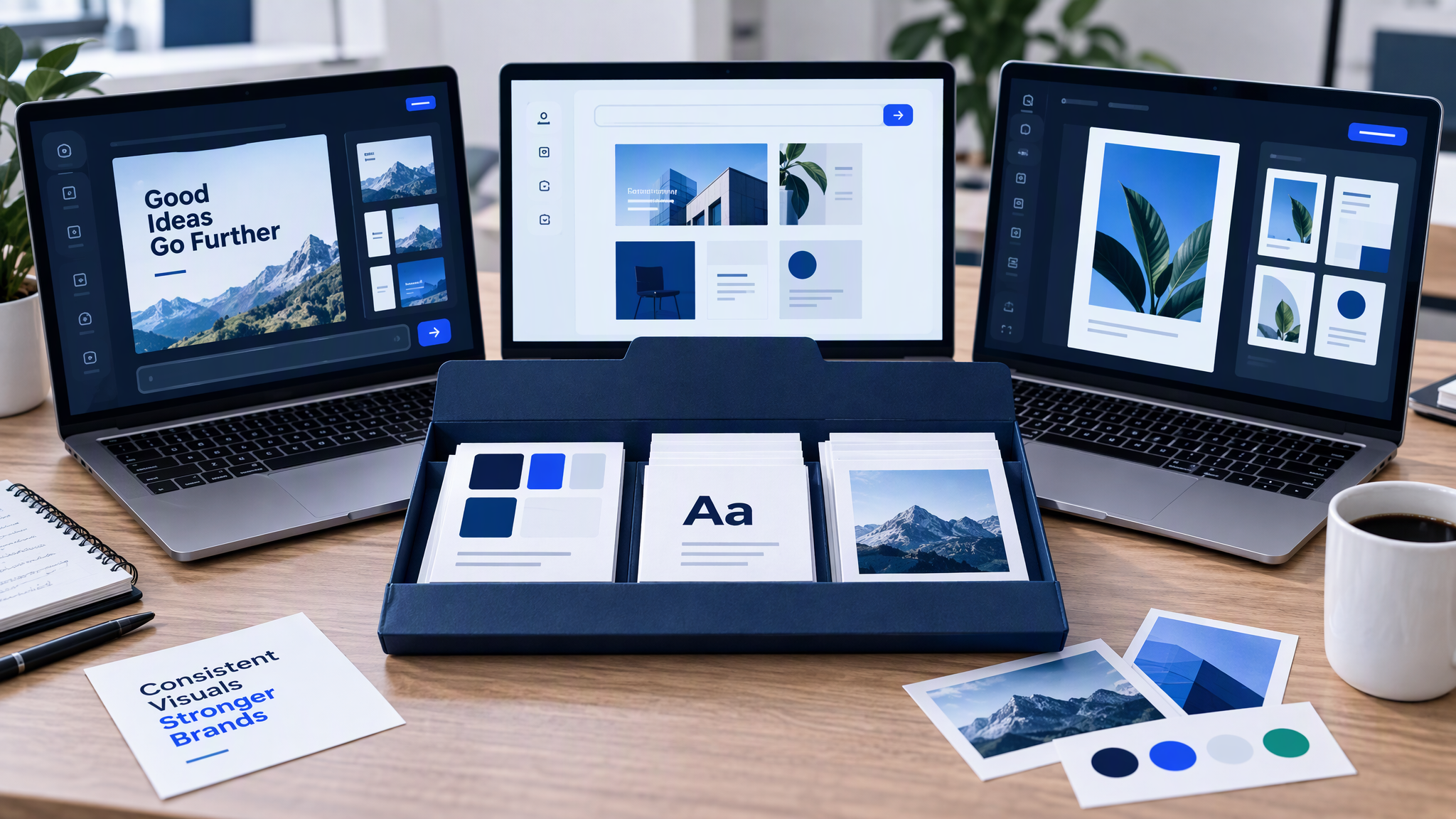
2. Keep every tool's prompt to subject and scene. "Bottle on a pale table, square crop." "Offer layout with the product on the right." Leave colour, logo treatment, and photo style to the kit. Re-typing the brand into ChatGPT, then Claude, then the ad tool is how the feed and the website diverge. The chat-image version of that split is How to Keep AI Chat Images Matching Your Website and Ads.
3. Approve before anything goes live. A pretty generation is a draft until someone who owns the look says it can ship. The person who made the file is a poor sole judge, because they are looking at it inside the tool that made it.

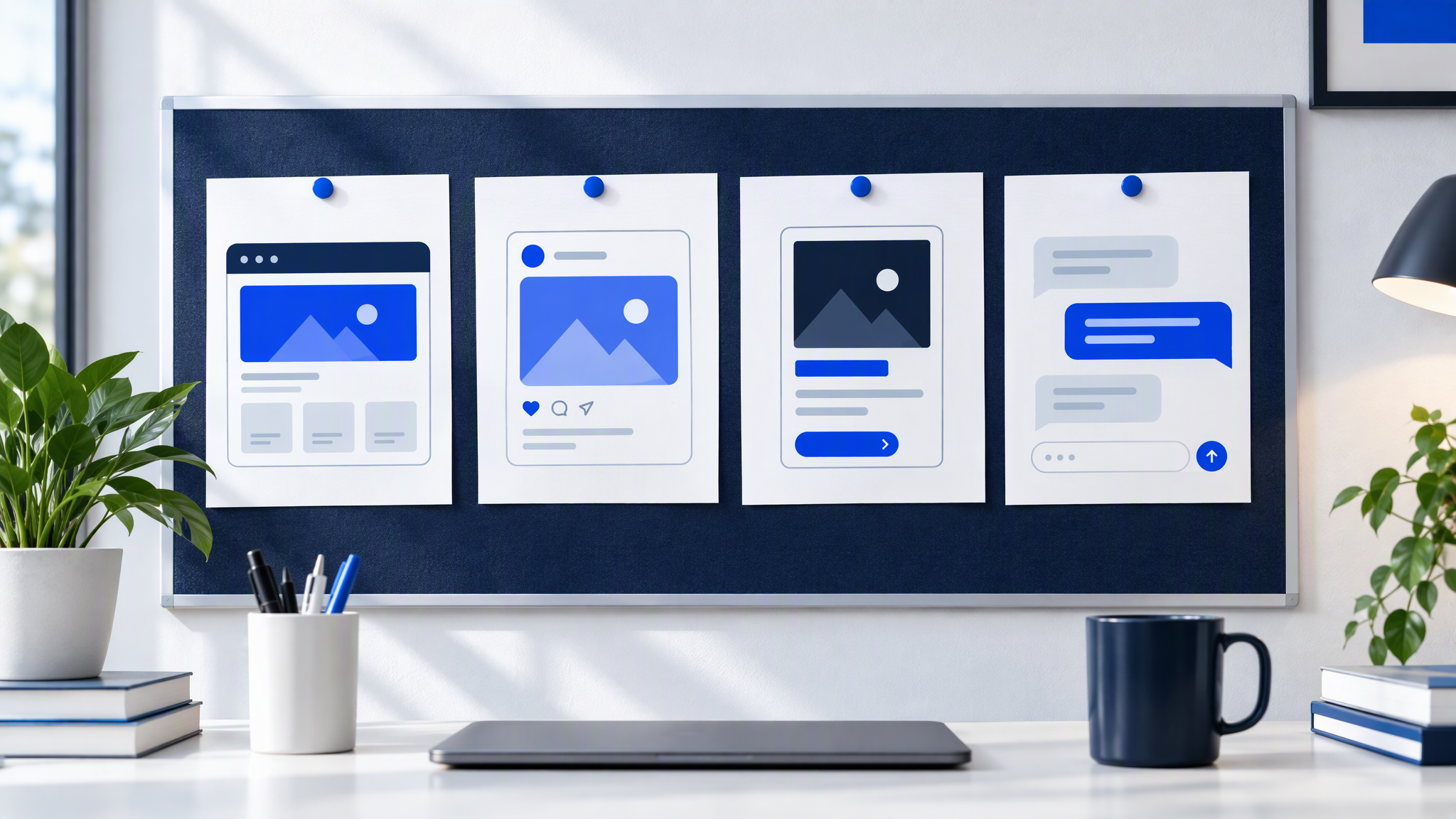
4. Run a weekly side-by-side across the apps you actually used. Pin the homepage and the latest output from each tool: the chat image, the layout export, the ad. If a stranger would not call them one company, do not publish. Tool choices for that habit start at Best AI Tools for Brand-Consistent Marketing Images in 2026 and the AI tools hub.
What you can skip for now
Skip the 120-signal stack as a first project. Shaw said BrandHalo can assess around 120 signals, including imagery, colour, and tone. A small team that still argues about which blue is current needs the colours, the logo, and the photo style written down once.
Skip regulated-industry connectors until you are in that regime. APRA and TGA rules matter for the healthcare and financial-services teams Shaw described. Wesfarmers Health is the user Mumbrella names. If that is not your week, do not wait on a regulator connector before you fix the logo file.
Skip the agency multi-client brain. Shaw wants a footprint with agencies as well as in-house teams. Useful later if you hold many client brands. Not the first win for one shop and four tools.
Copy the workflow. Do not quote a price or a customer total the coverage did not give you.
A checklist you can run this week
Do this before the next generation, not after the next off-brand ad.
- Save the kit in one shared place, outside any single app: logo, colours, type, four to six reference images.
- For each tool you use this week, write the prompt as subject and scene only. Delete any sentence that restates the brand.
- Generate a small set in each app, not fifty finals.
- Put the homepage beside the latest output from each app. If they do not look like one company, do not publish.
- On Friday, keep those pins. Reject the file that invented a new accent the others do not have.
A shared folder and a stubborn review can carry this. If you want the kit applied when images are generated, Brandiseer is one way to save logo, colours, fonts, and references once. It is optional. The habit is the point.
FAQ
Do small teams need to buy BrandHalo?
No. The coverage describes software across models, around 120 brand signals, and rules such as APRA and TGA. Copy the workflow instead: one kit, scene-only prompts, human approval, and a weekly cross-tool check.
Is this the same story as Typeface in ChatGPT and Claude?
No. Typeface put brand rules inside Claude and ChatGPT for enterprise customers. BrandHalo's pitch is model-agnostic across the tools a team already uses. Same drift, different lever.
Did Mumbrella publish pricing or a customer count?
No. It names Wesfarmers Health as a user. It does not give a price, a funding figure, or a customer count.
What should we copy if we only have an afternoon?
Save the kit outside the chats. Brief the next image as subject and scene only. Approve it beside the homepage before it goes into a layout tool or an ad.
One kit, every app you already open
BrandHalo wants guidelines to follow ChatGPT, Claude, Copilot, and the marketing systems around them. Shaw's herding-cats problem shows up in a three-person team too. Copy the smaller version: one shared kit, prompts that name the scene, a person who approves, and a Friday look at every tool that shipped. A folder can hold the kit. So can a tool such as Brandiseer. Either way, the apps should stop inventing the brand.